Paint Protection Film
What to Consider?
Paint Protection Film
Make the Correct Choice.
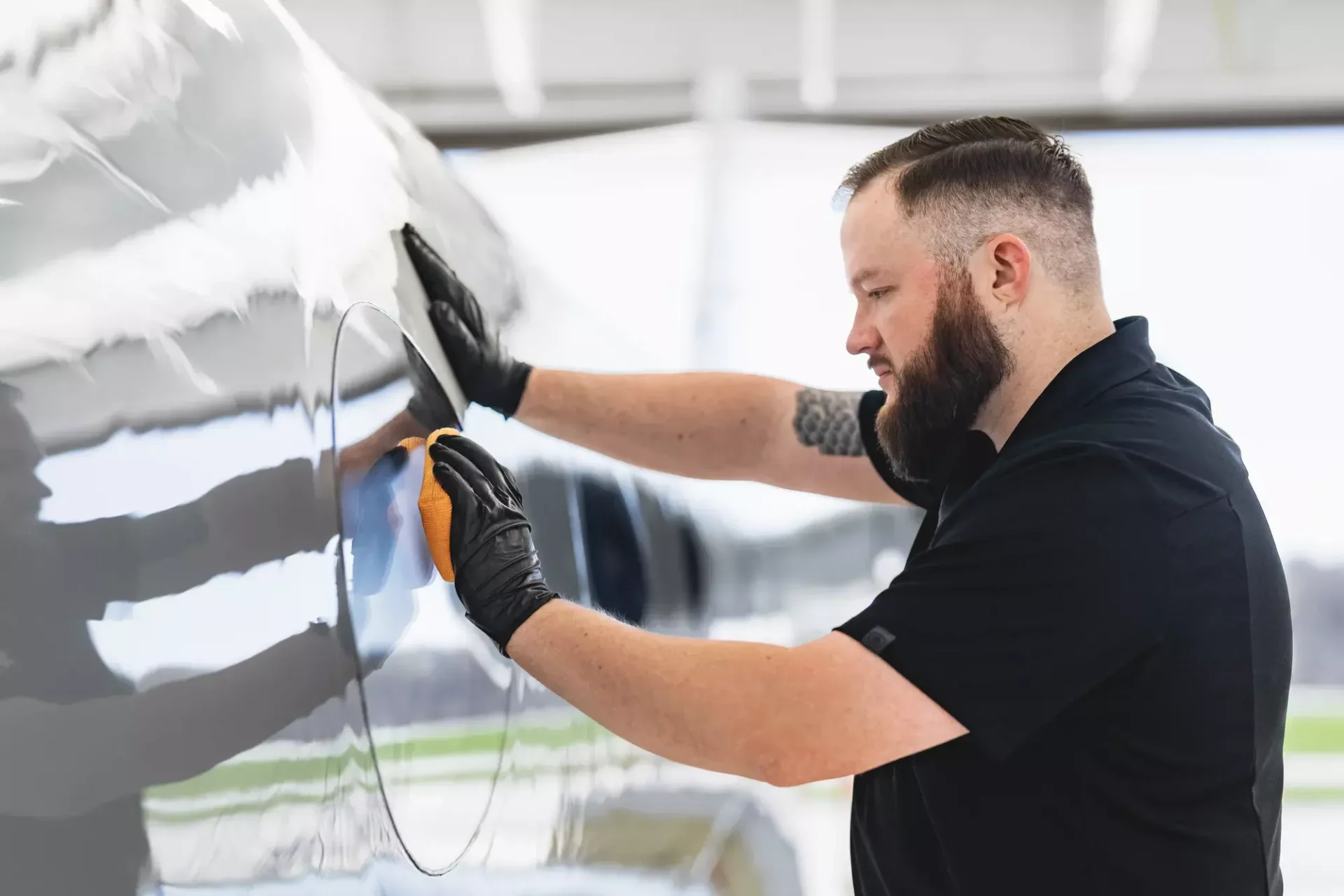
In a market frequently influenced by unqualified “experts,” it is essential to make informed decisions about protecting your car. This includes not only selecting the right product but also choosing a qualified installer. The skill required to apply Paint Protection Film (PPF) is often underestimated, making it crucial to differentiate between professionals and untrained individuals.
The Importance of Skilled Application.
The application of PPF is a specialised trade that requires formal training and expertise. While many attempt it, not all are true professionals. With new entrants into the market and dealers opting for cheaper, untested films, the risks during and after installation increase significantly.
Paint Protection Film
Let's Discuss.
Paint Protection Film vs. Vinyl Wrap
Paint Protection Film (PPF) (Thermoplastic Polyurethane) and Vinyl Wrap (Polyvinyl Chloride) are distinct products with different purposes:
- PPF: Provides a protective layer against stone chips and scratches, with durability of up to 10 years.
- Vinyl Wrap: Primarily aesthetic, lasting 3-5 years and offering no significant protection against impact or scratches.
Features and Considerations
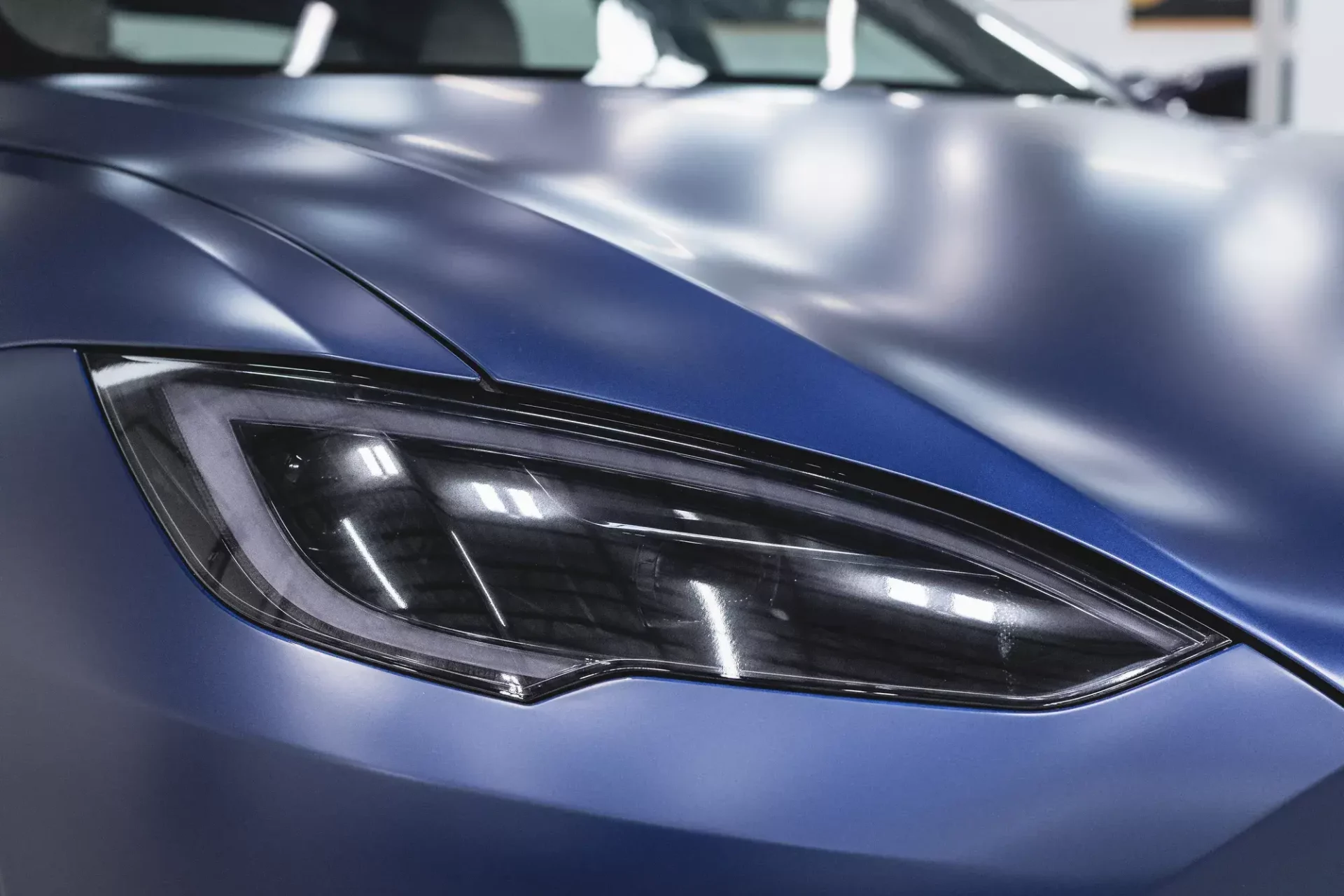
Paint Protection Film (PPF) serves as a sacrificial layer, protecting your vehicle while offering aesthetic options like satin finishes. However, due to its thickness and application method, it differs from vinyl wraps.
Key features to consider:
- Elasticity: More elastic films absorb impact better, while harder films may peel more easily.
- Pre-Cut Patterns vs. Hand-Cut: Pre-cut patterns, like XPEL’s DAP database, reduce the risk of knife marks and ensure long-term adhesion.
Why Pre-Cut Patterns are Superior
- Eliminate the risk of knife marks on new paint.
- Ensure precision and minimise gaps caused by PPF thickness.
- Prevent overstretching by inexperienced installers.
- Allow edge wrapping without the use of knives.
- Maintain manufacturer-intended tolerances on high-precision vehicles.
Assessing Film Quality
Not all PPFs are created equal. Key factors include:
- Chemical Resistance
- Self-Healing Ability
- Yellowing and Texture
- Topcoat Durability: The top layer protects against discolouration and enhances self-healing and chemical resistance.
Application Methods and Risks
Proper Paint Protection Film (PPF) application requires the correct tools and techniques:
-
Heat guns should only be used to dry edges, not to bond the glue, as improper use can damage paint and cause lifting.
-
Ensure the installer uses techniques that maintain the integrity of the adhesive and polyurethane layers.
Warranty and Climate Suitability
Beware of “lifetime warranties,” which often translate to only 5-7 years. XPEL Ultimate PLUS and XPEL STEALTH carry a true 10-year warranty in South Africa.
Climate compatibility is critical; South Africa’s unique conditions demand films that can endure temperature fluctuations and resist yellowing, fading, or dulling.
Paint Protection Film
Make Informed Decisions.
PPF consists of three critical layers: the adhesive, polyurethane, and topcoat. The quality of each layer determines the film’s overall performance. Making informed decisions about product selection and installer expertise ensures optimal protection for your vehicle.